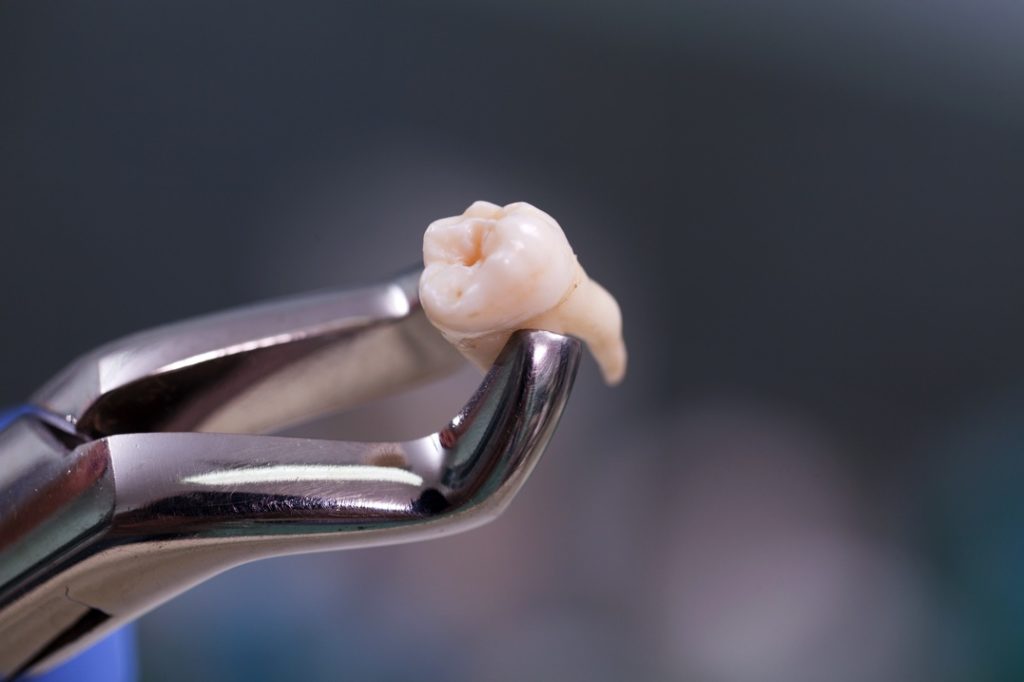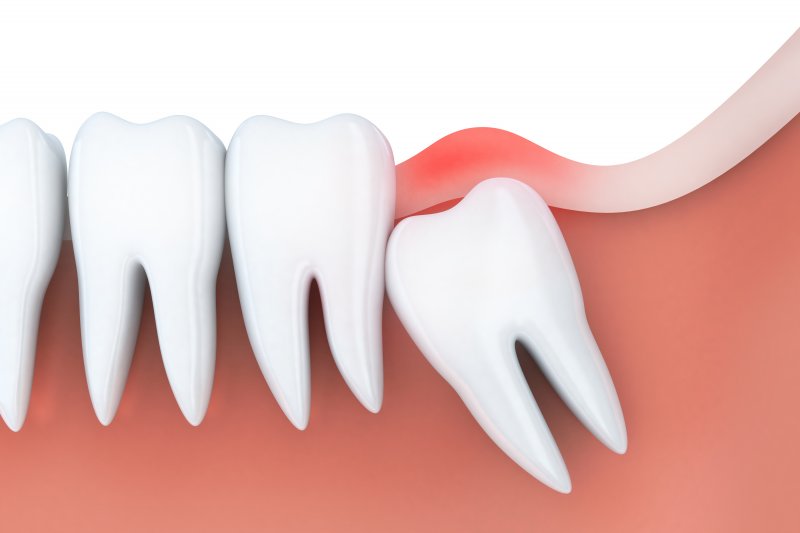

Your third set of molars in the back of your mouth are called the wisdom teeth. While the rest of the permanent teeth will come in during the teenage years, wisdom teeth don’t typically begin to make an appearance until the early 20s. These large teeth are “vestigial,” which means that humans have evolved to no longer need them. In fact, some people don’t develop all four of their wisdom teeth, or sometimes they have none at all! However, most people who do have wisdom teeth have them removed because of their potential to cause oral health problems and discomfort.
The average human’s mouth isn’t large enough to accommodate a third set of molars, so when the wisdom teeth begin to come in, they can cause a bevy of issues. One of which is impaction, where they become stuck in the jaw and unable to emerge from the gumline entirely. If you haven’t had your wisdom teeth removed, it’s important that you keep an eye out for warning signs that they could be impacted. Here are the top three signs that you need to visit your dentist about impacted wisdom teeth.
(more…) The latest advancements in dentistry allow your dentist to preserve your teeth for longer than ever; however, tooth loss is still a prevalent problem. Research shows 120 million people have lost one or more teeth, while 35 million adults have experienced complete tooth loss. Although there are many solutions to rebuild a beautiful smile, 500,000 people each year turn to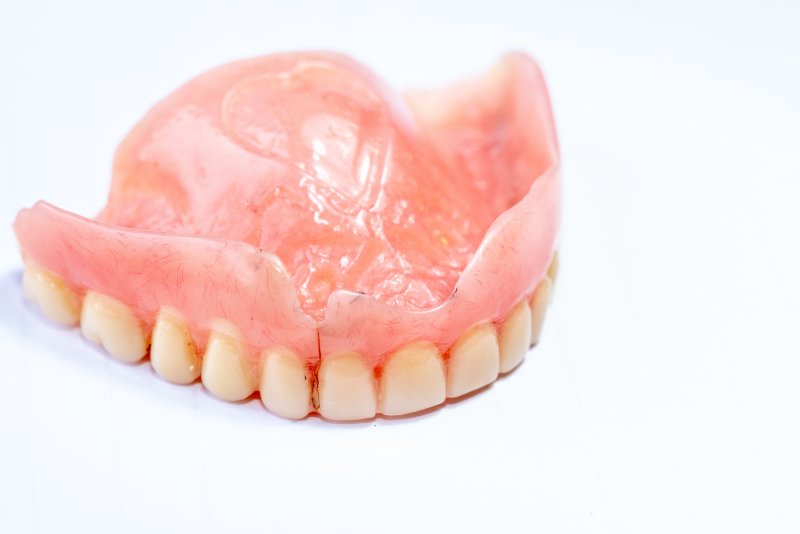
 If you’re missing teeth, you have more options than ever to rebuild a beautiful smile. Among the many choices are